
Our Blogs
Charting Your Financial Path With Precision

Faculty Retirement Income Planning: Creating Reliable Income Beyond Your University Paycheck
Faculty retirement income planning often involves more than replacing a university paycheck. Many professors retire with multiple income sources, including pensions, 403(b) accounts, Social Security benefits, personal savings, and sometimes consulting income. Coordinating these resources can help retirees evaluate how their income may support spending needs throughout retirement.

The Hidden Financial Cost of Delaying Academic Career Decisions
For many early-career faculty members and researchers, the first several years in academia are focused on establishing credibility, building a publication record, securing funding, and navigating the path toward tenure.

Financial Planning for Early-Career Academics: Common Mistakes and Smarter Strategies
Starting an academic career often means facing financial challenges that differ from those in other professions. Many faculty members and researchers spend years in graduate school or postdoctoral positions before earning a full-time salary. Because of this delayed timeline, financial planning for early-career academics requires balancing current needs with future goals.

Faculty Retirement Planning Checklist: Key Decisions Before Leaving Academia
Retirement is a significant transition for professors, researchers, and university administrators. After years in academia, leaving a university paycheck often requires careful preparation. Effective faculty retirement planning involves more than choosing a retirement date. It includes reviewing retirement income, healthcare coverage, investment strategy, and legacy planning.

How a Research Faculty Member Built a Financial Plan Around Variable Income
At Summit Retirement Advisors, we work with many research faculty members and academic professionals navigating variable income, grant funding, consulting work, and long-term retirement planning.

How a Senior Professor Structured a Phased Retirement Around Income and Flexibility
At Summit Retirement Advisors, we work with many senior faculty members and university professionals navigating retirement timing, pension decisions, university benefits, and long-term income planning.

Faculty Retirement Income Planning: Structuring Income in Retirement
Faculty approaching retirement often shift focus from contributing to retirement accounts to reviewing how those accounts are accessed and distributed over time.

Early-Career Faculty Financial Planning: Strategies for Managing Your Finances
Starting a career in academia involves a range of financial considerations. Early-career faculty often navigate student loan repayment, housing costs, and the start of retirement contributions while establishing their professional path.

How a Mid-Career Professor Coordinated College Funding and Retirement Planning
At Summit Retirement Advisors, we work with many mid-career faculty members balancing growing family responsibilities, retirement planning, education funding, and evolving long-term financial priorities.

Financial Planning for Academics with Irregular Income: Structuring Around Income Cycles
Academic professionals often receive income in uneven patterns throughout the year. Grant funding, consulting work, summer stipends, and contract-based teaching may result in periods of higher and lower earnings.

Faculty Retirement Planning: Structuring Academic Finances Thoughtfully
Faculty retirement planning often involves a series of decisions made at different stages of an academic career. Rather than focusing only on contributions or account types, this process includes reviewing how financial priorities change over time and how available options relate to those changes.
How an Assistant Professor Balanced Student Loans and Retirement Saving Early in His Career
At Summit Retirement Advisors, we work with many early-career faculty members and researchers navigating questions around student loans, retirement saving, university benefits, and long-term financial planning.

Consulting Income Financial Planning for Academics
Many academics supplement their salary with consulting income. While consulting offers flexibility and additional earnings, it may also introduce variability.
College and Retirement Planning for Professors: A Practical Guide
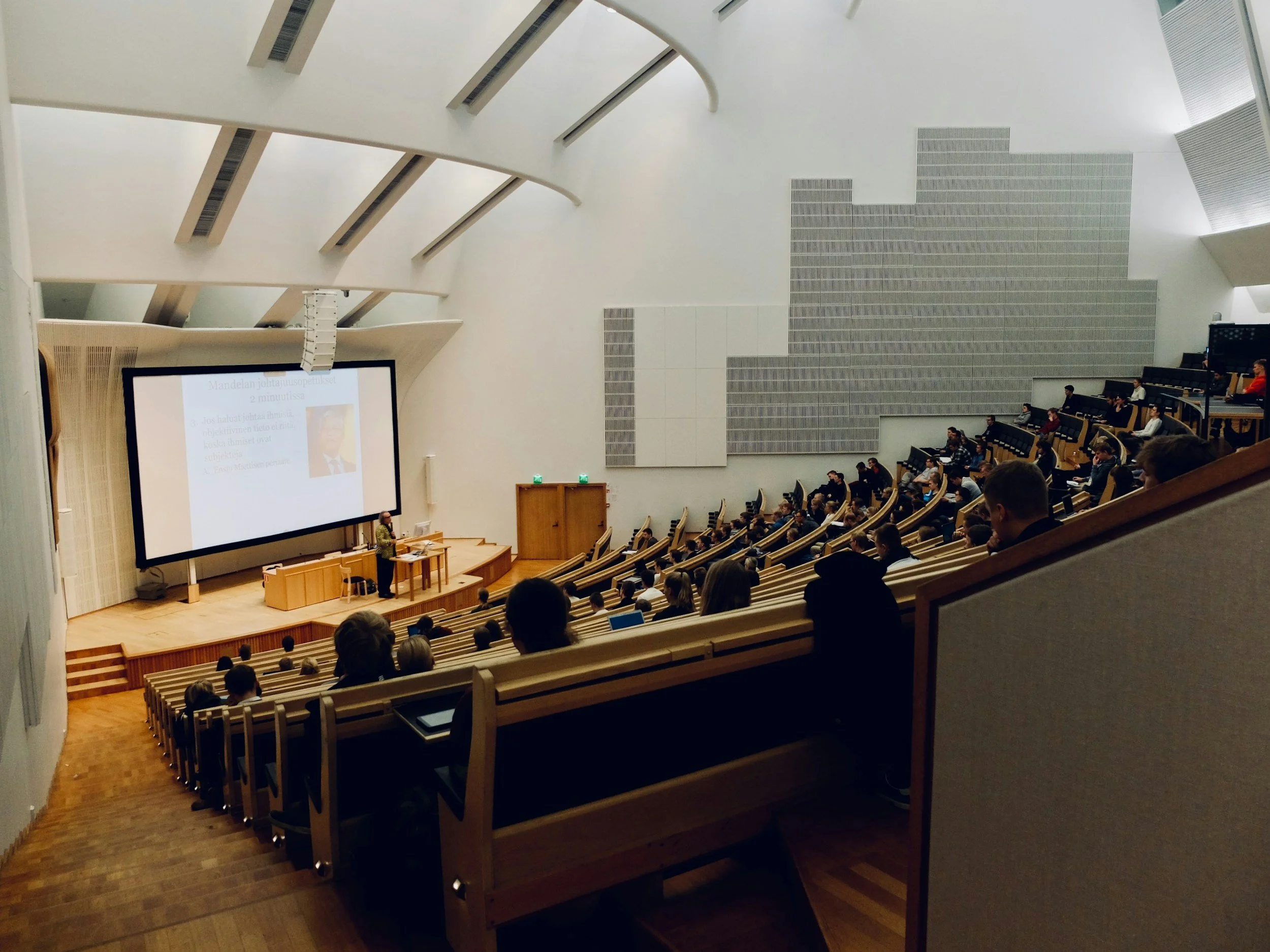
Professors often face the challenge of managing retirement planning while supporting college costs for themselves or family members. College and retirement planning includes reviewing tuition expenses, savings, and retirement contributions in relation to both short-term and long-term financial priorities.

Smart Financial Planning for Professors: Strategies for Academic Careers
Financial planning for professors involves organizing variable income, retirement accounts, and academic benefits. Faculty positions include considerations such as fluctuating income from grants, consulting, or summer teaching, along with retirement accounts and institutional benefits. Awareness of these factors provides context for evaluating financial decisions.

Academic Retirement Planning: Practical Guidance for Faculty
Faculty and academic researchers often encounter distinct financial circumstances that influence retirement planning. Academic retirement planning is one way to review how contributions, tax-advantaged accounts, and long-term financial considerations may be organized.

Financial Planning for Early-Career Academics: A Practical Guide
Early-career academics encounter a distinctive financial landscape. Balancing teaching, research, and early career responsibilities often involves navigating variable income, grant-related funding, and student loans. Financial planning for early-career academics focuses on organization, flexibility, and ongoing review of financial considerations.

Faculty Benefits Planning: Strategies for Academic Professionals
Navigating academic employment involves more than teaching and research. It also includes understanding and managing faculty benefits.

Academic Income Volatility Planning: Strategies for Financial Stability
Academics and researchers often experience periods of fluctuating income due to grant cycles, research funding schedules, and seasonal academic payments. Academic income volatility planning is one approach used when reviewing finances in relation to these variations, alongside retirement, savings, and other long-term priorities.

Financial Planning for Assistant Professors: Early-Career Decisions That Shape Long-Term Planning
The first few years as an assistant professor often involve financial decisions that are reviewed when organizing finances over time. Teaching responsibilities, research expectations, and contract structures can affect income timing and financial priorities.
Sign up to receive our newsletter!
Read our planning perspectives, ideas, and updates designed to support thoughtful, evidence-based financial decisions.